How to Become a Makeup Artist in New York: Licensing, Kit and Practice
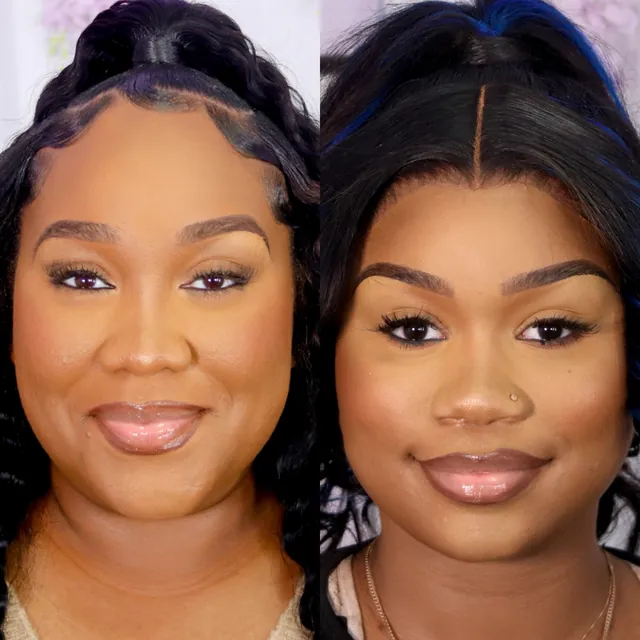
I get asked this by clients in the chair more than any other question that is not about their own face. Usually it comes after they watch a full glam come together in 75 minutes and realize it is a skill, not a talent. It is. I have been doing this for over ten years and I learned it the same way anyone can.
You become a makeup artist by learning the fundamentals from someone who does it for a living, building a small kit that works on every skin tone, practicing on real faces until your timing is reliable, and then charging for it with proper booking terms. New York does not hand out a makeup license by itself, but there are rules worth knowing before you take money. My beginner makeup class is where I teach the first step, and the rest of this post is what comes after it.
The path in five steps
There is no single route, but every working artist I know went through the same five stages in some order. Skipping one usually shows up later as a problem, whether it is a kit that does not match deep skin or a booking that falls apart because there was no deposit.
- Learn the fundamentals from a working artist: skin prep, color matching, blending, eyes, brows, lashes, and finishing for long wear.
- Build a working kit with a full shade range before you build a big one.
- Practice on real faces, not your own, until a soft glam takes you about an hour and a full glam about 75 minutes.
- Photograph the work and build a portfolio that shows range across skin tones and occasions.
- Set your prices and policies, take deposits, and treat the first paying client like the hundredth.
Most people spend too long on step one and not enough on step three. A weekend of good instruction and fifty practice faces beats a year of videos and five.
Licensing in New York: what you actually need
New York State does not issue a standalone makeup artist license. Makeup application falls under the esthetics and cosmetology licenses issued by the Department of State, and whether you need one depends on what you do. If you also wax, tweeze, treat skin, or work on the floor of a licensed salon or spa, you need the license. If you only apply makeup, the rules are narrower, and they have been applied differently in different settings, so check the Department of State's current guidance before you charge.
At the time of writing, the esthetics license in New York requires a 600 hour approved course and the cosmetology license requires 1,000 hours, both followed by state exams. Confirm those numbers with the state; they change. I hold a license because my menu includes brow waxing and upper lip waxing alongside makeup, and because clients and venues ask.
Separate from licensing, you need general liability insurance before you work in someone's home or a venue, and you need to know the hygiene rules whether or not the state checks: disposable applicators, sanitized brushes between clients, no double dipping in creams and mascara. A certificate from a class is proof of training, not a license, and it is fine to say so.
Training: school, short course or self taught
Three options, and they are not equal. A licensing school teaches the state curriculum, which is heavy on skin care and sanitation and light on actual makeup artistry. Self teaching from videos gets you techniques without feedback, and the gaps show up on the first real client. A short, hands on course with a working artist is the fastest way to competent, and it is what I would do first if I were starting over.
What my beginner class covers
The beginner makeup class is two days of five hour sessions at the studio, private and hands on. You bring a model, or practice on yourself and then on each other, and we go through the full sequence I use on paying clients: skin prep and primer by skin type, foundation matching and application on more than one undertone, concealing and setting, brows, eyes from a clean soft glam through a cut crease, lashes, lips, and setting for long wear. You leave with the order of operations, a shopping list for your kit, and photographs of the looks you did.
| Class | Format | Price | Deposit |
|---|---|---|---|
| Beginner makeup class | Two days, five hour sessions, private and hands on | $300 | 20% to book online |
| Beginner wig install class | Two days, six hours, limited seats | $600 | $100 |
The wig class matters here because hair installs are the most common second service a makeup artist adds, and the two together are what my Slay Me hair and makeup booking is built on. Both classes are listed on the classes page.
Building a kit that works on every face
The mistake every beginner makes is buying for themselves. A professional kit is built for the client you have not met yet, which means the first thing it needs is a shade range, from the fairest foundation you can find to the deepest, with undertones in between. Twelve shades you can mix beats forty you cannot.
The starter kit
- Skin: a hydrating primer and a mattifying one, foundation in a full shade range, concealer in six or more shades, setting powder in translucent and in deep tones, setting spray.
- Eyes: one neutral palette that covers warm and cool, a black and a brown liner, a brow pencil and pomade in three shades, lash glue, a tray of strip and cluster lashes, mascara you never double dip.
- Cheeks and lips: cream and powder blush in a few depths, a bronzer and a highlighter that show on deep skin, a handful of lip liners and a mixing palette.
- Tools and hygiene: a brush set you clean between clients, disposable mascara wands and lip applicators, a spatula, sanitizer, tissues, cotton rounds.
Go hypoallergenic and cruelty free where you can; clients ask, and the ones with sensitive skin will book you for it. Add specialty items, a second palette, colored liners, glitter, only after the basics have earned money.
Practice: faces, tones, light and the clock
Practice is where the gap between a hobbyist and a working artist opens up. Do it on other people, on every skin tone you can find, in the light the client will be seen in, and against a timer.
Timing is the part nobody teaches. These are the durations I book, and they are the targets I would set for anyone practicing.
- Basic or natural glam: about 55 minutes
- Soft glam: about 60 minutes
- Full glam with a cut crease and bold lashes: about 75 minutes
- L'extra glam: about 90 minutes
- Bridal, with skin prep mask and a touch up kit: about 75 minutes
When you can do a soft glam on a stranger in an hour and it still looks right at the end of the night, you are ready to charge. Until then, friends, family and models from a free shoot are your clients. Photograph everything in daylight and in flash, and look at the photos critically a day later, not the same night.
Portfolio and the first paying clients
Your portfolio is photographs of real faces you made up, across skin tones and across occasions. Three soft glams on the same friend is not a portfolio. One natural look on fair skin, one full glam on deep skin, one bridal look, one mature client, one with glasses, that is a portfolio.
First clients come from the practice faces. Every model gets photos and a thank you, and the ones who loved it bring their birthday, their sister's wedding, their prom. Post the work consistently, tag the occasion rather than yourself, and answer every message the same day. A prom season and a wedding season will fill a calendar faster than any ad.
Say yes to bridesmaids. The bride has her own artist; the party often does not. Doing four bridesmaids in a morning teaches you more about timing and consistency than a month of single bookings, and the soft glam bridesmaid look is the one you will be asked for most.
Pricing, deposits and policies
Charge from the first paying client, take a deposit, and write the policies down before you need them. The number matters less at the start than the habit. My own terms are simple and they are the ones I would copy: a deposit to hold the booking, a reschedule window, a confirmation email, and a note that the client arrives with a clean face.
For reference, my menu starts at $90 for a basic look and runs to $200 for bridal, with online bookings held by a 20% deposit and rescheduling allowed up to 72 hours before. A beginner should price below a ten year artist, but not so far below that the deposit does not cover a no show. Fix the number, raise it when the calendar is full, and never discount in a message thread.
Mobile work is its own business. A home, hotel or venue appointment needs a travel fee by distance, about an hour per person on the schedule, and a kit you can carry. It is where a lot of bridal money is, and it is also where artists with no deposit policy get burned. Build the policy first, then take the travel bookings.
Start with the beginner makeup class in Springfield Gardens
I am Tyca, and I teach the beginner makeup class at the Tyca Beaute studio, 146-20 232nd St in Springfield Gardens, Queens. It is $300 for two days of five hour sessions, private and hands on, and you leave with the sequence, the kit list and photographs of your own work. The studio is open Wednesday and Thursday 9am to 7pm, Friday and Saturday 9am to 8pm, and Sunday 9am to 5pm.
Book the class online at the booking page, or call (973) 963-7449 if you want to ask about dates or about adding the wig install class.
Questions readers ask
Do I need a license to do makeup in New York?
Not a standalone makeup license, because the state does not issue one. Makeup sits under the esthetics and cosmetology licenses, and you need one if you also wax, treat skin or work in a licensed salon. Check the Department of State's current guidance.
How long does it take to become a makeup artist?
A weekend of hands on instruction gets you the fundamentals. Being reliable enough to charge usually takes a few months of practicing on real faces, several times a week, with photos and a timer.
Do I need to bring a model to the beginner class?
It helps, because you learn fastest on a face that is not your own. If you cannot bring one, we work on you and on each other during the sessions.
What should I buy before the class?
Nothing. The class includes a kit shopping list built around a full shade range, and buying after the class means you buy the right things once.